A good hotel is more than just a place to sleep. It decides whether your holiday is truly restful.
After weeks full of appointments and constant availability, what you want from a holiday is peace, not leisure-time stress. And stress-free travel begins with choosing the right hotel. We answer the questions that matter for that:
We answer the questions that matter for that:
- Why am I actually so tense after a stressful period at work?
- Could a smaller hotel actually reduce stress, or will it make me feel unsure?
- How do holidays that merely "take me away" differ from ones that recharge me?
- How can I tell online whether a hotel is really small and personal?
- What do I actually expect from the service, without ever putting it into words?
Why am I actually so tense after a stressful period at work?
Stress doesn't disappear automatically just because the calendar empties. To really switch off, it helps to understand what happens in the body after intense periods of work and why rest alone doesn't immediately mean relaxation:
- High demands and constant availability keep the nervous system on alert.
- The body responds sluggishly to breaks: pulse, muscle tension and cortisol levels drop only slowly.
- Even on holiday, relaxation hardly succeeds if the surroundings keep generating pressure - through crowded resorts, schedules or constant activity.
- Many people confuse free time with recovery. Yet the brain needs a change of structure to really let go.
Anyone who has been under pressure for a long time often stays in "functioning mode" inside. Even when the to-do list is done, the head keeps running. Thoughts jump about and sleep stays restless. That explains why the first days of a holiday are often more unsettled than expected. The body hasn't yet understood that it's allowed to come to rest.
Real relaxation only begins when outside stimuli decrease and inner security returns. That takes time and an environment that makes no new demands. This is exactly where it's decided whether the holiday is truly restful.
Could a smaller hotel actually reduce stress, or will it make me feel unsure?
Small doesn't mean less comfort, but more clarity, a slower pace and personal service.
If you're constantly under pressure at work, what you need on holiday isn't crowds but clarity. Large hotels with buffet hours, fixed routines and many guests can quickly bring back the feeling of a hectic daily life. In smaller houses everything runs with less noise, no crowding and no waiting.
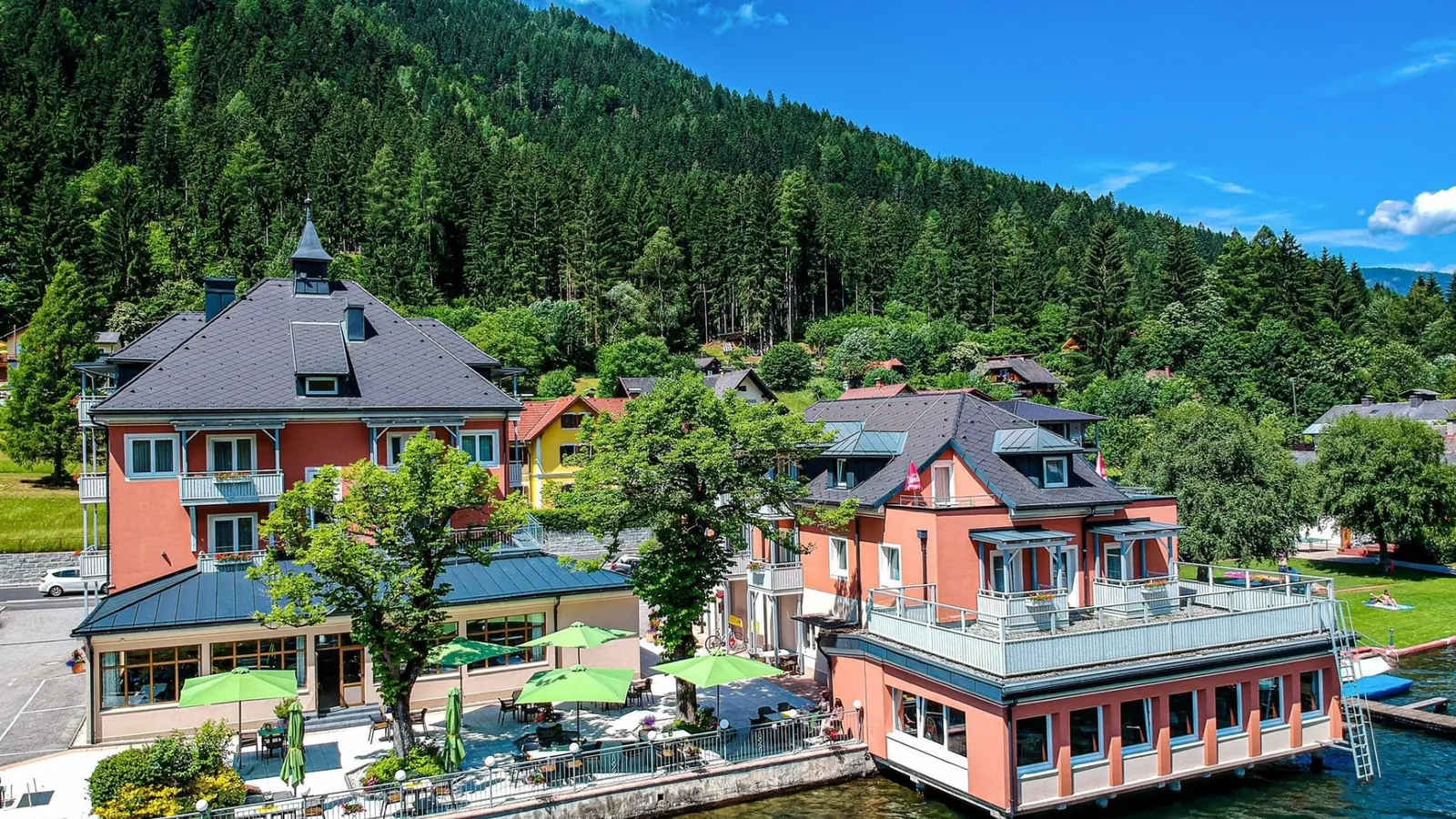
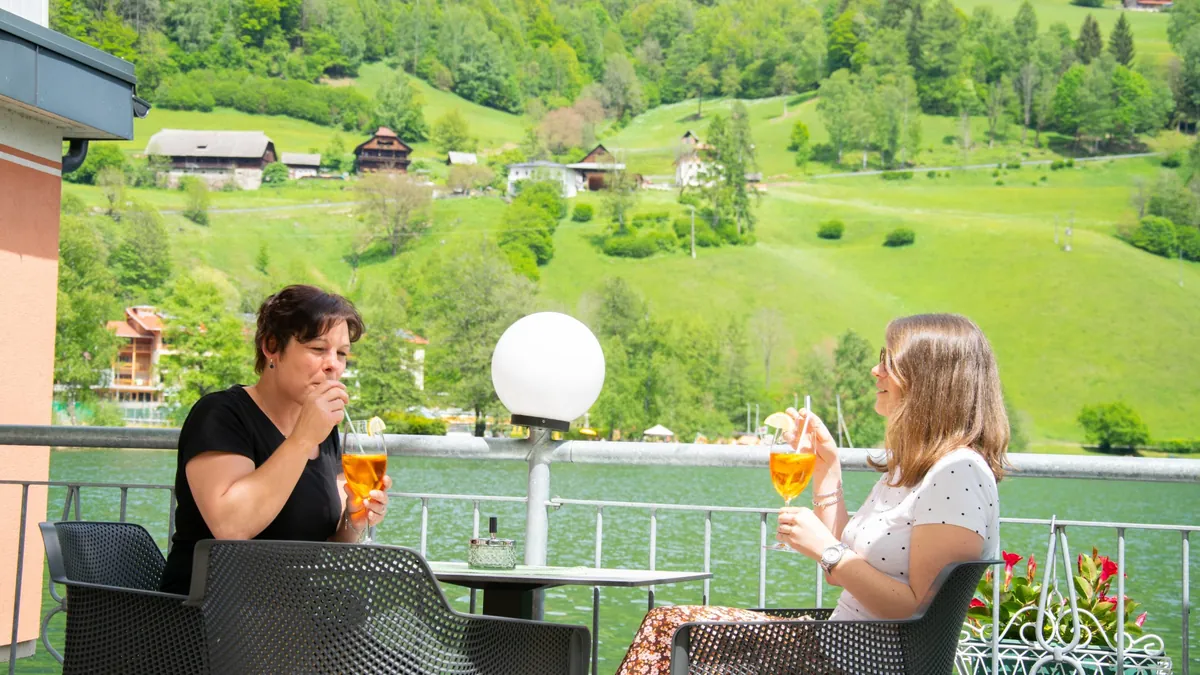
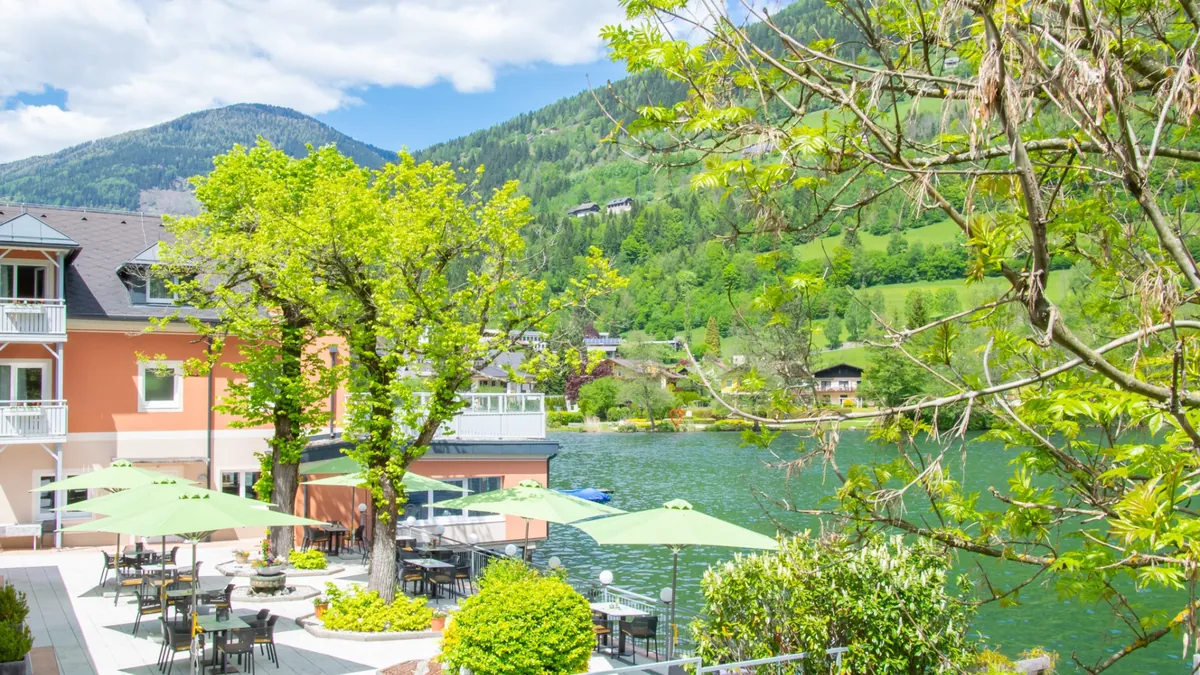
- You quickly find your favourite spot, whether by the lake, on the terrace or in the garden.
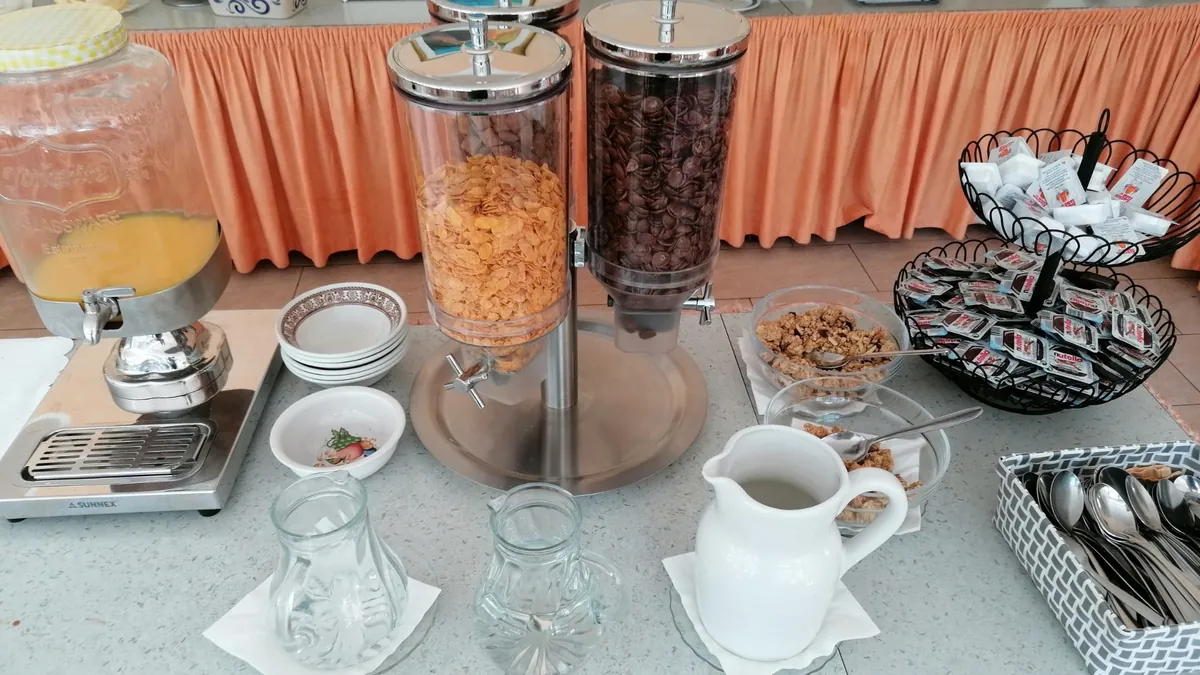
- Breakfast is freshly prepared and doesn't come from an industrial kitchen.
- The hosts, especially in family-run hotels, are usually there in person. That means short distances and honest conversations.
- Wishes are taken on board personally and don't get lost in the bustle of a big operation.
- By the second day you already recognise familiar faces and feel a little at home.
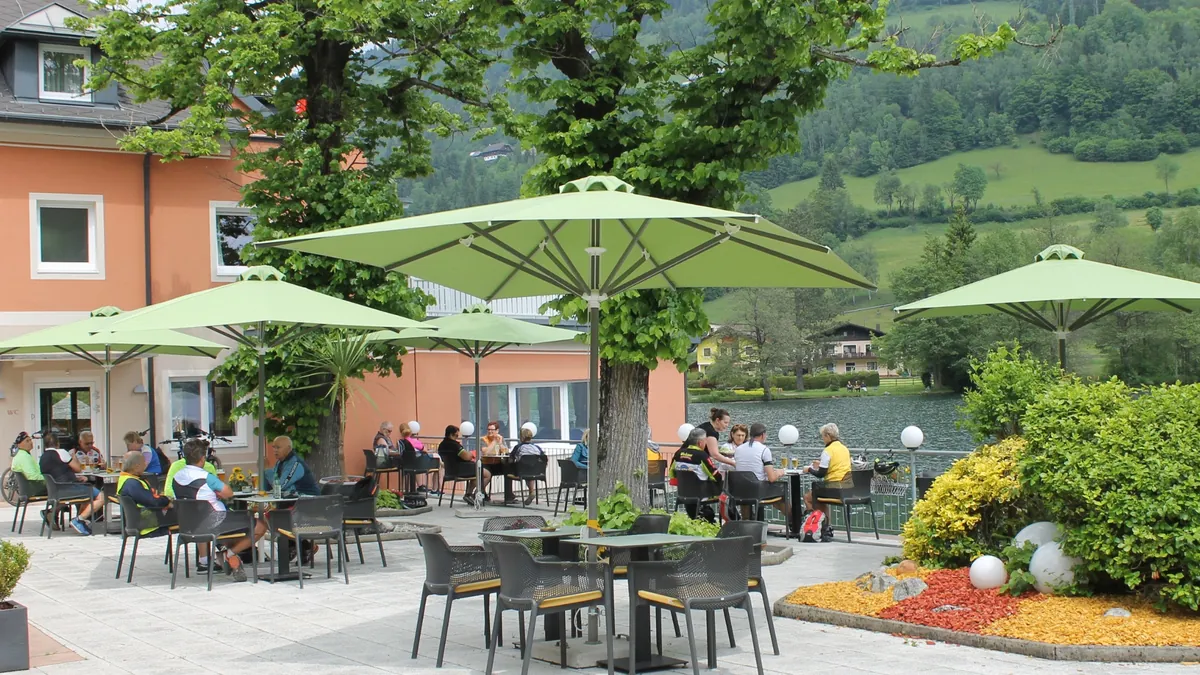
- After a day of hiking, cycling or motorcycling, no crowds await you at the buffet, but atmosphere and your favourite spot.
- If you're out and about actively, you get tips from people who really know the region.
That gives a sense of security and takes the pace out. If you don't waste time first finding your way around huge hotels, you have more time for enjoyment and everything that really does you good.
How do holidays that merely "take me away" differ from ones that recharge me?
Recovery begins on the journey, not only at the destination. Many holidays start with stress: airport, crowds, long waits, delayed flights. On arrival, crowded beaches, noisy hotels and a daily rhythm that hardly differs from everyday life are waiting. You're far away, but a long way from peace.
A small place, a relaxed journey and a hotel where you arrive straight away let the holiday begin more calmly. Without jet lag, luggage chaos and lost time, the feeling of having really arrived sets in quickly. That creates the ideal starting point for a holiday that fully recharges the batteries:
- Arriving instead of ticking off: you shape your day without being stressed by entertainment programmes and daily schedules.
- Actively switching off: a run around the lake, a motorbike tour into the mountains or a swim before breakfast invigorate rather than exhaust.
- Experiencing instead of consuming: whether lake, mountains or bike tours, in an authentic setting the experiences stay real and aren't interchangeable.
- Clearing your head: without crowds and constant background noise, the mind comes to rest and the pressure of everyday life loses its weight.
- Encounters instead of masses: a smaller circle of people makes it easier to meet those you really get talking to, instead of countless faces you forget straight away.
- Genuine hospitality: when people are attentive and the guest isn't a number in the crowd, you feel welcome rather than processed.
- Savouring instead of rushing: take time for good food, activity and relaxation without a bucket list.
- Places with an effect: fresh air, water and sun work better than any wellness programme. The surroundings do you good when they're real and not staged.
When you sit by the lake after an eventful day and suddenly notice that your head has gone quiet - that's the moment when recovery really happens. In smaller hotels that comes more easily, without crowds, constant noise and a rhythm you have to keep up with.
How can I tell online whether a hotel is really small and personal?
Rely on authentic impressions rather than perfect staging.
On the internet, many houses sound "family-like" or "individual". But reality shows in the nuances.
Read how guests describe the way they were treated:
- Is the personal approach praised?
- Is the owner mentioned by name?
- Are there returning guests?
- Are there only photos of the Instagram hotspots, or authentic pictures of the people and the region?
- Do guests in reviews only talk about the facilities, or also about the people and their hospitality?
- Are reviews answered - and how?
These are signs of authenticity.
Trust your feeling: if you sense calm and clarity while scrolling, there's a good chance that feeling will be there on site too.
What do I actually expect from the service, without ever putting it into words?
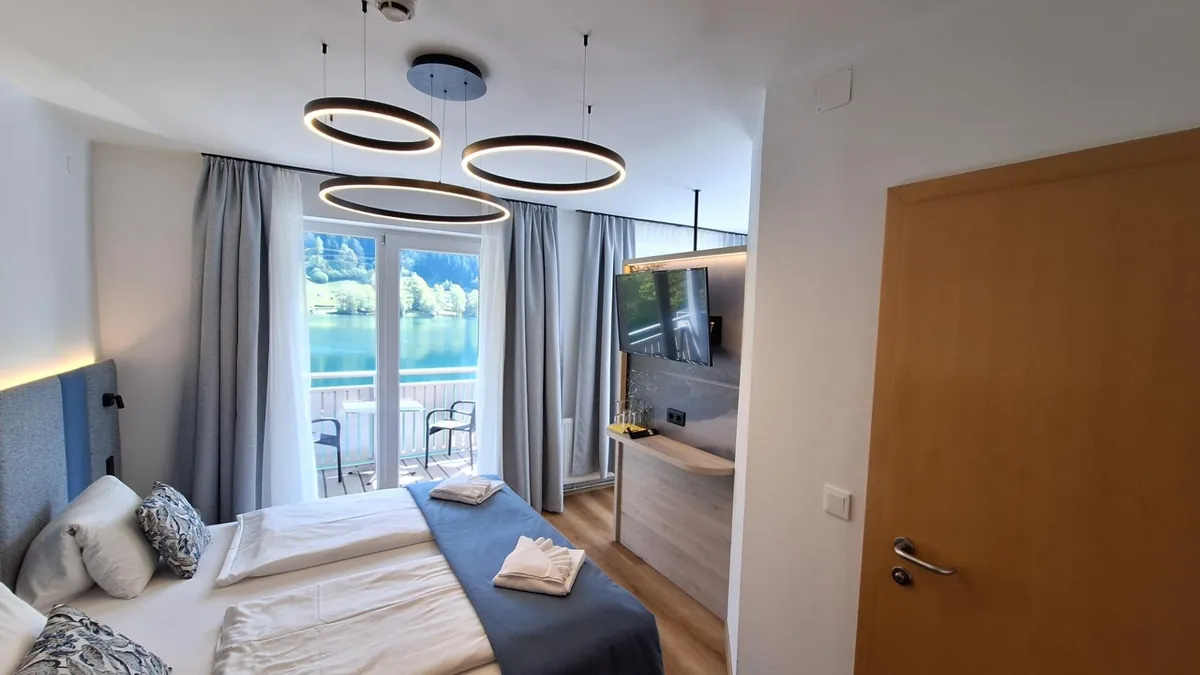
Personal service means being seen, not merely served. You experience attentiveness instead of staging.
It's often not the room or the price that decides, but the feeling of being truly welcome.
- A friendly face makes the difference. An honest greeting on arrival immediately takes the tension out of your shoulders.
- Being recognised feels good. If you're greeted by name on the second day or get your favourite coffee, you settle in faster.
- The contact stays genuine. Hosts and guests meet as equals, warmly and without routine.
- Small routines develop by themselves. The same breakfast table, a coffee on the jetty, a short chat with the hosts - moments like these ground the day.
When service is genuine, you feel it. You lean back more easily because you know: someone here is looking out for you without you constantly having to ask. Then a hotel stay brings real recovery. In smaller, family-run hotels this feeling usually arises quite naturally. Here the team knows who you are after a short while, you're greeted by name and you notice that you belong.
When does a hotel really feel like a holiday?
When everything seems effortless and easy. When organisation, service and atmosphere are so coherent that you can simply let go. A good hotel takes the pressure off because it's reliable, clear and uncomplicated, yet still has a lot to offer.
In a smaller house that's often easier to achieve. You find your way around quickly, know the routines after a short time and feel that you've arrived. The day falls into place by itself - some exercise, some indulgence, with no deadlines or queues. It's this mix of activity, relaxation and a personal touch that in the end makes up the feeling of a real holiday.